Introduction: Two Common Skin Conditions You Shouldn’t Ignore
Small bumps on the skin are easy to dismiss—until they multiply. Warts and molluscum contagiosum are two of the most common skin infections worldwide, and both share an important trait: they are contagious. The good news? They are also highly treatable.
Understanding how these conditions spread and when to seek care can help you protect yourself and your family.
What Are Warts?
Warts are benign skin growths caused by the human papillomavirus (HPV). They typically appear as rough, raised bumps on the hands, feet, and other areas. While most warts are harmless, some HPV strains are linked to more serious conditions, which is why medical evaluation matters.
How Warts Spread
HPV spreads through direct skin-to-skin contact or by touching contaminated surfaces, such as locker room floors or shared towels. Scratching a wart can spread the virus to nearby skin.
What Is Molluscum Contagiosum?
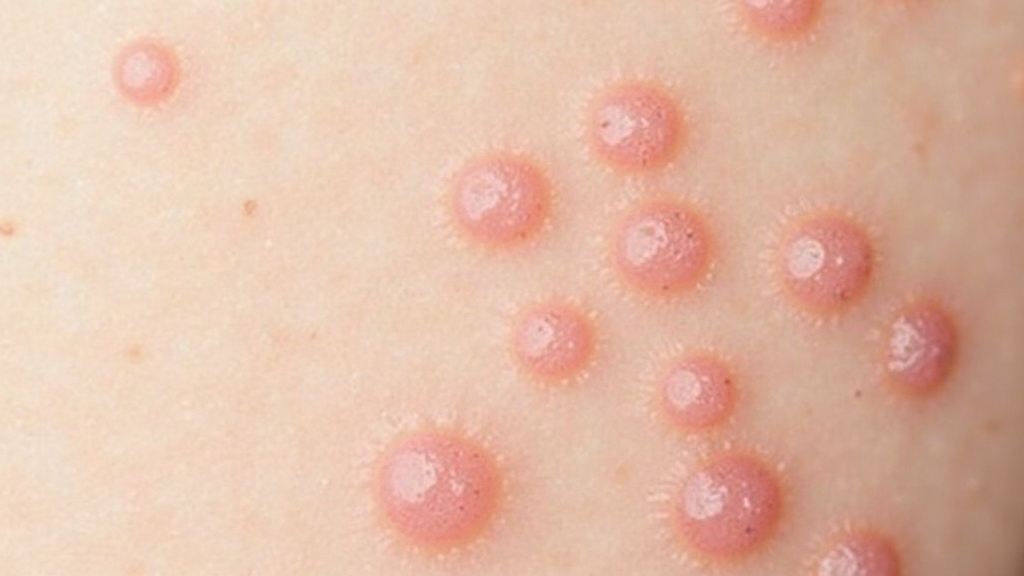
Molluscum contagiosum is a viral infection caused by a poxvirus. It produces small, firm, dome-shaped bumps—often with a tiny dimple in the center—that can appear anywhere on the body. It is especially common in children and in adults with weakened immune systems.
How Molluscum Spreads
The virus spreads through skin-to-skin contact, shared items like towels or toys, and sometimes through sexual contact in adults. Scratching or picking at the bumps can spread them to other parts of the body.
Treatment Options
Many cases resolve on their own over time, but treatment can speed healing and reduce transmission. Options include:
- Topical treatments: Salicylic acid, cantharidin, or prescription creams
- Cryotherapy: Freezing lesions with liquid nitrogen
- Curettage: Scraping away the growth
- Laser therapy: For stubborn or widespread cases
A healthcare provider can recommend the best approach based on the location, severity, and the patient’s age and health status.
Prevention Tips
- Wash hands frequently and avoid sharing personal items
- Keep skin lesions covered to prevent spread
- Avoid scratching or picking at bumps
- Wear footwear in public showers and pools
When to See a Doctor
Consult a healthcare professional if growths spread quickly, become painful or infected, or appear in sensitive areas. People with diabetes or weakened immune systems should seek care promptly.
Frequently Asked Questions
Are warts and molluscum dangerous?
Generally, no. Both are usually benign, though they can be uncomfortable or cosmetically bothersome. Some HPV strains require monitoring.
Can warts and molluscum go away without treatment?
Yes, many cases resolve on their own, but this can take months or years. Treatment speeds resolution and lowers transmission risk.
How long are they contagious?
Both remain contagious until the lesions completely clear, which is why treatment and hygiene are important.
Can adults get molluscum contagiosum?
Yes. It is common in children, but adults—especially those with weakened immunity—can also be affected.
Is there a vaccine for warts?
The HPV vaccine protects against certain strains linked to genital warts and cancer, but it does not treat existing warts.
Should children with molluscum stay home from school?
Usually not. With covered lesions and good hygiene, children can generally attend school normally.
Conclusion: Take Action Early
Warts and molluscum contagiosum are contagious, but they are also manageable. Early diagnosis and proper treatment reduce discomfort, limit spread, and protect those around you.
If you notice persistent or spreading skin growths, don’t wait. Schedule an appointment with a dermatologist or healthcare provider today for an accurate diagnosis and personalized treatment plan.
Sources
- Centers for Disease Control and Prevention (CDC) — Molluscum Contagiosum
- American Academy of Dermatology Association (AAD) — Warts: Diagnosis and Treatment
- World Health Organization (WHO) — Human Papillomavirus (HPV) and Related Diseases