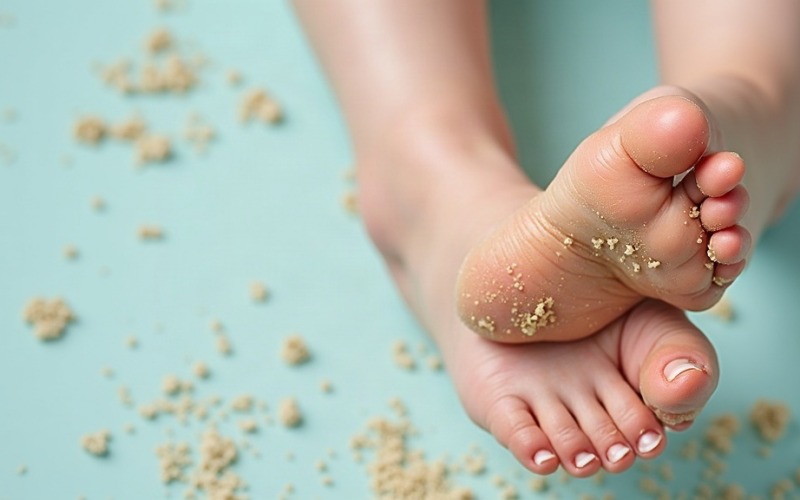
Rainy Season Fungal Infections: Keeping Kids Dry
The rainy season brings relief from the heat, but it also brings something less welcome: a spike in fungal skin infections among children. Warm, humid weather combined with damp clothing, sweaty shoes, and shared play spaces creates the perfect environment for fungi to thrive. While these infections are rarely dangerous, they are uncomfortable, contagious, and frustratingly persistent if not managed properly.
The good news? Most rainy season fungal infections are highly preventable with a few simple habits. Here’s what parents and caregivers need to know.
Why Fungal Infections Rise During the Rainy Season
Fungi, including dermatophytes and yeasts, grow best in warm, moist environments. During the rainy months, children’s skin stays damp longer — from rain-soaked uniforms, wet socks, and humid air that slows evaporation.
When moisture lingers in skin folds, between toes, or under tight clothing, fungi multiply quickly. Children are also more likely to share towels, footwear, and play equipment, which makes transmission easier.
Common Fungal Infections in Children
Tinea (Ringworm)
Despite its name, ringworm is a fungus, not a worm. It appears as a red, circular rash with a raised, scaly border. It can affect the scalp, body, feet (athlete’s foot), and groin area.
Candidiasis (Yeast Infections)
Yeast infections commonly appear in diaper areas, skin folds, and the mouth (oral thrush). They produce red, irritated patches that may itch or ooze.
Athlete’s Foot
Itchy, peeling skin between the toes is a classic sign. Wearing wet shoes and socks for hours makes children especially vulnerable.
Warning Signs Parents Should Watch For
- Persistent itching, especially in skin folds or between toes
- Red, circular, or scaly patches that spread
- Peeling, cracking, or blistering skin
- Unusual odor or discharge
- Hair loss or scaly patches on the scalp
If symptoms don’t improve within a few days of home care, consult a healthcare provider. Some fungal infections require prescription treatment.
Practical Ways to Keep Kids Dry
Choose the Right Clothing
Dress children in lightweight, breathable fabrics like cotton. Pack a spare set of clothes and socks on rainy days so they can change out of anything damp.
Protect the Feet
Waterproof footwear helps, but feet still sweat. Encourage kids to remove wet shoes and socks as soon as they get indoors, and let shoes dry completely before wearing them again.
Practice Good Hygiene
Daily bathing with gentle soap, thorough drying — especially between toes and in skin folds — and frequent handwashing reduce fungal spread significantly.
Avoid Sharing Personal Items
Towels, combs, socks, and shoes should never be shared, even among siblings. Fungi spread easily through shared fabrics.
When to See a Doctor
Seek medical advice if the rash spreads rapidly, becomes painful, shows signs of bacterial infection (pus, swelling, fever), or affects the scalp. Early treatment prevents spread to other family members and shortens recovery time.
Conclusion
Rainy season fungal infections are common, but they don’t have to be inevitable. By keeping your child’s skin clean and dry, choosing breathable clothing, and teaching good hygiene habits, you can dramatically reduce their risk. Stay vigilant, act early, and consult a healthcare provider when needed — your child’s skin will thank you.
FAQ
Are fungal infections contagious?
Yes. Most fungal skin infections, including ringworm and athlete’s foot, spread through direct contact or shared items like towels and shoes.
Can fungal infections be treated at home?
Mild cases often respond to over-the-counter antifungal creams. However, persistent, widespread, or scalp infections usually need prescription treatment.
How long does treatment take?
Most superficial infections improve within one to two weeks, but treatment should continue for the full recommended duration to prevent recurrence.
Should my child stay home from school?
Generally, children can attend school once treatment has started, provided the affected area is covered. Check with your healthcare provider and school policy.
Can fungal infections be prevented?
Yes. Keeping skin dry, wearing breathable clothing, avoiding shared personal items, and practicing good hygiene greatly reduce the risk.
When should I worry?
See a doctor if the infection spreads, doesn’t improve with treatment, or shows signs of bacterial infection such as fever, pus, or swelling.
Sources
- World Health Organization — Fungal infections (mycoses)
- Centers for Disease Control and Prevention — Ringworm and Fungal Skin Infections
- American Academy of Pediatrics — HealthyChildren.org: Skin Conditions in Children