MassKara Face Paint and Skin Reactions: What to Avoid
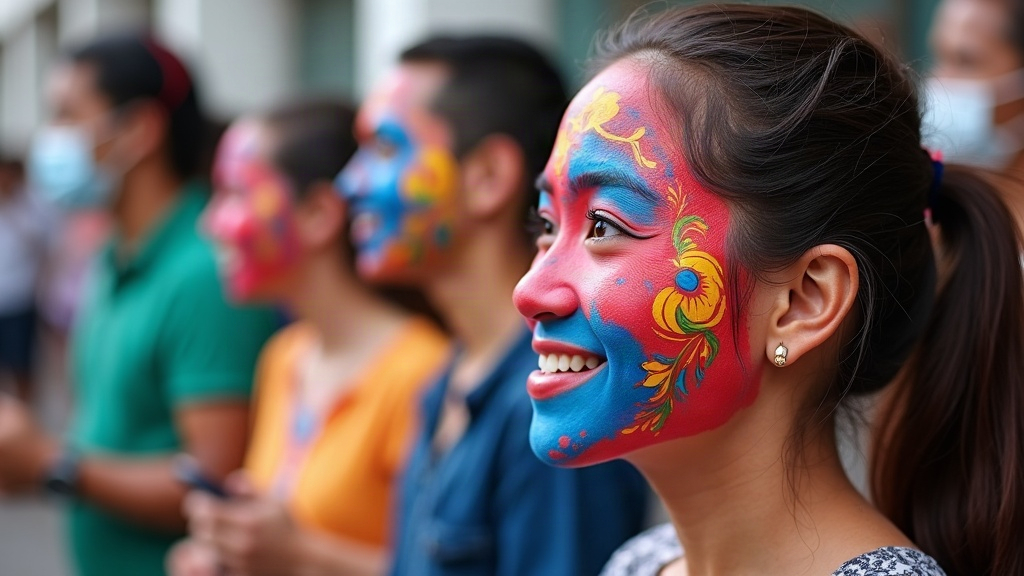
The MassKara Festival in Bacolod City is one of the Philippines’ most vibrant celebrations. Smiling masks, street dancing, and colorful face paint define the event. Yet for some participants, the festival ends with an unwanted souvenir: redness, itching, swelling, or a painful rash.
MassKara face paint and skin reactions are more common than many people realize. Understanding what triggers these reactions can mean the difference between a memorable celebration and a dermatological emergency.
Why Face Paint Causes Skin Reactions
Face paint is a cosmetic product, and like all cosmetics, it contains a mix of pigments, preservatives, fragrances, and binders. Any of these can irritate the skin or trigger an allergic response.
Irritant Contact Dermatitis
This is the most frequent reaction. It occurs when a substance directly damages the skin barrier, causing redness, dryness, and a burning sensation. Cheap or expired paints, heavy application, and prolonged wear all increase the risk.
Allergic Contact Dermatitis
Unlike irritation, an allergy involves the immune system. It may develop only after repeated exposure, meaning a paint that never bothered you before can suddenly cause a reaction. Common culprits include:
- Fragrances and parabens — preservatives that frequently trigger allergies
- Heavy metal pigments — lead, mercury, and cadmium are prohibited in cosmetics but may appear in unregulated products
- Coal tar dyes — some synthetic colors are restricted for use near the eyes
- Nickel and cobalt traces — contaminants that affect metal-sensitive individuals
Who Is Most at Risk?
Not everyone reacts the same way. You should take extra precautions if you:
- Have eczema, psoriasis, or sensitive skin
- Have known allergies to cosmetics, fragrance, or metals
- Have broken skin, acne, or sunburn on the face
- Are applying paint to children, whose skin is thinner and more absorbent
Children deserve special attention. Their skin absorbs chemicals more readily, and their immune systems may be more reactive.
What to Avoid Before and During MassKara
1. Unlabeled or Unregulated Products
Street-vendor paints sold without ingredient lists are a gamble. The U.S. FDA prohibits certain ingredients in cosmetics, but enforcement varies for informal sellers. Choose products with complete labeling and a visible expiration date.
2. Sharing Paint and Brushes
Shared applicators spread bacteria, fungi, and viruses. If you have a cut or cold sore, sharing a brush can lead to infection. Bring your own tools.
3. Leaving Paint On for Hours
Long wear increases absorption and clogs pores. Remove paint within a few hours, and never sleep in it.
4. Applying to Irritated Skin
Never paint over a rash, wound, or sunburned face. This traps irritants against compromised skin and can worsen the damage.
Safe Application Tips
Perform a patch test 24 to 48 hours before the festival by applying a small amount behind the ear or on the inner forearm. If redness, itching, or swelling appears, do not use that product.
Apply a thin barrier of moisturizer first, keep paint away from the eyes and lips, and remove it gently with mild soap and lukewarm water. Follow with a fragrance-free moisturizer.
When to See a Doctor
Seek medical attention if you develop blistering, severe swelling, eye involvement, difficulty breathing, or a rash that spreads or persists beyond a few days. These signs may indicate a serious allergic reaction.
Conclusion
MassKara is about joy, culture, and community — not skin damage. By choosing regulated products, patch testing beforehand, and removing paint promptly, you can celebrate fully while protecting your skin. When in doubt, consult a dermatologist or your local health office before the festival begins.
FAQ
How long does a face paint reaction take to appear?
Irritant reactions can appear within minutes to hours. Allergic reactions often develop 24 to 72 hours after exposure, which is why a patch test two days ahead is recommended.
Is hypoallergenic face paint safe for everyone?
No. “Hypoallergenic” means the product is less likely to cause allergies, not that it is guaranteed safe. Reactions are still possible, especially with sensitive skin.
Can I use acrylic or craft paint on my face?
Never. Craft and acrylic paints are not formulated for skin, may contain toxic pigments, and can cause severe irritation or chemical burns.
What should I do if my skin reacts?
Remove the paint immediately with lukewarm water and mild soap. Apply a cool compress and a fragrance-free moisturizer. If symptoms worsen or do not improve within 48 hours, consult a doctor.
Are children more vulnerable to face paint reactions?
Yes. Children have thinner, more permeable skin and developing immune systems, making them more susceptible to both irritation and allergy.
Does the Philippine DOH regulate face paints?
Cosmetic products in the Philippines fall under national health and consumer protection regulations. Always buy from reputable sellers and check for proper labeling and FDA notification.