Christmas New Clothes and Skin Irritation: Washing Tips
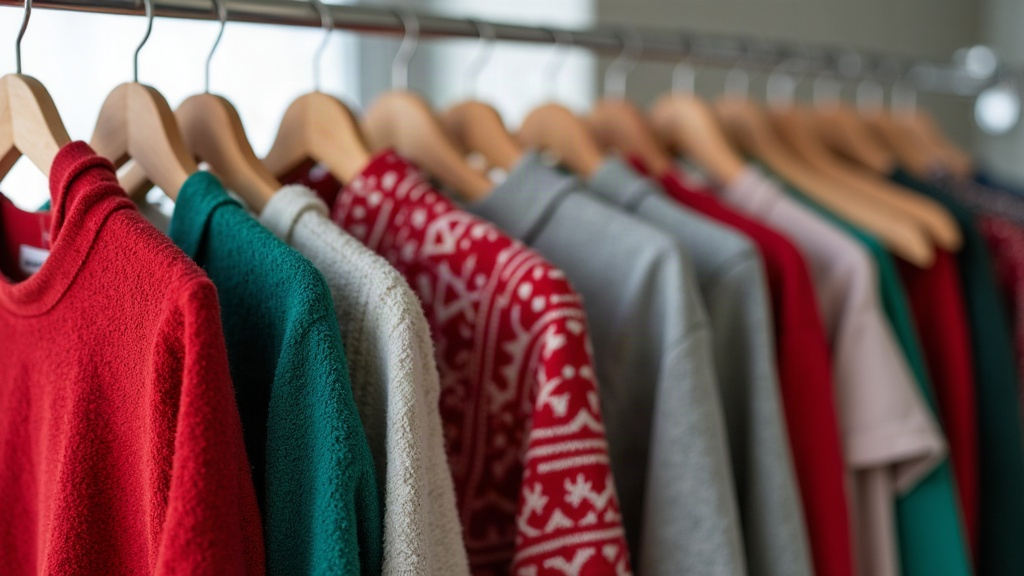
The holidays are synonymous with sparkling new outfits—velvet dresses, festive sweaters, and crisp button-downs. But before you dress your family for the Christmas party, consider this: new clothes can harbor chemical residues that trigger rashes, itching, and allergic reactions. This is especially true for children, whose skin is more sensitive. The good news? A simple wash can eliminate most risks.
Why New Clothes Cause Skin Irritation
New garments are not as clean as they appear. During manufacturing, fabrics are treated with formaldehyde resins to prevent wrinkles, azo dyes for vibrant colors, and finishing agents to improve texture. These substances can remain on the fabric and cause contact dermatitis—a red, itchy rash that appears where the clothing touches the skin.
According to the American Academy of Dermatology, textile dyes and formaldehyde are among the most common causes of allergic contact dermatitis. Children and individuals with eczema are particularly vulnerable.
Common Irritants in Holiday Clothing
- Formaldehyde: Used in wrinkle-resistant and shrink-proof finishes.
- Azo dyes: Found in bright reds, greens, and blues—classic Christmas colors.
- Nickel: Present in buttons, zippers, and snaps.
- Fabric softeners and detergents: Residues from the store or previous try-ons.
How to Wash New Clothes Before Wearing
Washing removes up to 90% of surface chemicals and bacteria. Follow these steps for a safe holiday season.
1. Read the Care Label First
Check for washing instructions. Some festive fabrics—sequins, velvet, wool—require hand washing or dry cleaning. When in doubt, hand wash in cold water with a gentle detergent.
2. Use Fragrance-Free, Hypoallergenic Detergent
Harsh detergents and fabric softeners can leave irritating residues. Choose a dye-free, fragrance-free detergent, especially for children and anyone with sensitive skin.
3. Wash in Cold Water
Cold water is gentler on fabrics and effectively removes most surface chemicals. Hot water may set certain dyes or damage delicate materials.
4. Double Rinse for Extra Safety
If your machine has a rinse-only cycle, run it once more after washing. This ensures all detergent and loosened chemicals are flushed away.
5. Dry Properly
Tumble dry on low or air dry. Avoid dryer sheets, which coat fabrics with chemicals that can irritate skin.
Special Considerations for Children
Children’s skin is thinner and more permeable than adults’. The American Academy of Pediatrics recommends washing all new clothing—especially underwear, pajamas, and anything worn directly against the skin—before the first wear. If your child has eczema, consider a second wash cycle.
What to Do If Irritation Occurs
If a rash develops after wearing new clothes, remove the garment immediately. Wash the affected area with cool water and mild soap. Apply a fragrance-free moisturizer or hydrocortisone cream. If symptoms persist beyond 48 hours or worsen, consult a dermatologist.
Conclusion
New Christmas clothes bring joy, but they can also bring unwanted skin irritation. By washing new garments before wearing them—using gentle, fragrance-free detergent and cold water—you protect your family’s skin without dampening the holiday spirit. This simple step takes minutes but prevents days of discomfort.
This Christmas, celebrate in comfort. Wash first, wear later, and enjoy a rash-free holiday season.
Frequently Asked Questions
Do I really need to wash new clothes before wearing them?
Yes. New clothes can contain chemical residues, dyes, and bacteria from manufacturing, shipping, and try-ons. Washing removes most of these irritants and significantly reduces the risk of skin reactions.
Can new clothes cause an allergic reaction?
Absolutely. Formaldehyde resins and azo dyes are common allergens. Symptoms include redness, itching, and hives. People with sensitive skin or eczema are at higher risk.
What detergent is best for sensitive skin?
Choose a hypoallergenic, fragrance-free, and dye-free detergent. Avoid fabric softeners and dryer sheets, which leave irritating residues.
Can I just air out new clothes instead of washing them?
Airing out may reduce some chemical odors but does not remove dyes, formaldehyde, or bacteria. Washing is the only reliable way to clean new garments.
How should I wash delicate Christmas outfits?
Hand wash in cold water with mild detergent, then lay flat to dry. For sequined or beaded items, spot clean or follow the care label instructions.
When should I see a doctor for skin irritation?
Seek medical attention if the rash spreads, blisters, becomes painful, or persists longer than 48 hours despite home care.