Sun Protection for Kids: Beyond the Beach
Most parents think about sunscreen when they pack for the beach or the pool. But here’s the reality: children receive the majority of their lifetime sun exposure during ordinary days — walking to school, playing at recess, riding in the car, or sitting near a classroom window.
That everyday exposure adds up. According to the World Health Organization, childhood and adolescence are critical periods when UV radiation does the most long-term damage. The good news? Protecting kids doesn’t require a major lifestyle overhaul — just a few consistent habits.
Why Everyday UV Exposure Matters
UV radiation is invisible and cumulative. Up to 80% of a person’s lifetime sun exposure happens before age 18, and even on cloudy days, UV rays can penetrate cloud cover. This means overcast school runs and shaded playgrounds still carry risk.
Sunburn during childhood significantly increases the risk of skin cancer later in life. That’s why pediatric organizations, including the American Academy of Pediatrics, recommend protecting children from excessive sun exposure from infancy onward.
Practical Sun Protection Strategies for Daily Life
1. Make Sunscreen a Morning Routine
Apply a broad-spectrum sunscreen with SPF 30 or higher before school or daycare — not just before outings. Focus on the face, ears, neck, and hands. For longer outdoor time, send a small sunscreen stick in your child’s bag for reapplication.
2. Use Clothing as a First Line of Defense
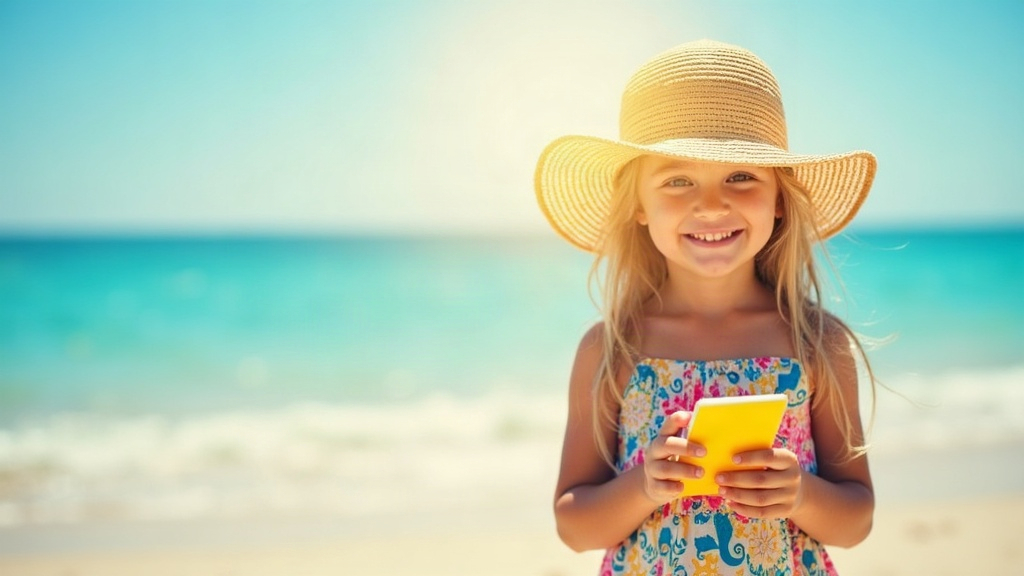
Clothing offers reliable, no-reapplication protection. Choose tightly woven fabrics, long sleeves, and wide-brimmed hats. Many schools allow hats during outdoor play — check your school’s policy and advocate for sun-safe dress codes.
3. Don’t Overlook Windows and Cars
Standard car windows block UVB but not all UVA rays. For long drives, use window shades and dress children in light layers. Similarly, children who sit near windows at school or at home can receive meaningful UV exposure over time.
4. Time Outdoor Activities Wisely
UV levels peak between 10 a.m. and 4 p.m. When possible, schedule outdoor play earlier in the morning or later in the afternoon. If midday play is unavoidable, prioritize shade — trees, canopies, or building overhangs.
5. Protect the Eyes
Sunglasses aren’t a fashion accessory for kids — they’re eye protection. Choose pairs labeled 100% UV protection, and encourage children to wear them during outdoor sports and play.
Building Lifelong Sun-Safe Habits
Children learn by watching. When parents apply sunscreen, wear hats, and seek shade, kids internalize these behaviors as normal. Make sun protection a family routine rather than a lecture, and reinforce it with simple reminders: “Hat, shades, sunscreen — let’s go.”
Schools, sports clubs, and childcare centers also play a role. Ask whether your child’s program has a sun safety policy — shade structures, hat rules, and scheduled sunscreen breaks make a measurable difference.
Conclusion
Sun protection for kids extends far beyond beach umbrellas and vacation sunscreen. It’s a daily practice woven into school runs, playgrounds, and car rides. By treating UV protection as routine rather than occasional, parents can meaningfully reduce their children’s lifetime skin cancer risk — one morning at a time.
FAQ: Sun Protection for Kids
At what age can babies use sunscreen?
The American Academy of Pediatrics recommends keeping infants under 6 months out of direct sunlight. When that’s not possible, apply a small amount of sunscreen to exposed areas. For babies older than 6 months, use sunscreen regularly.
Do kids need sunscreen on cloudy days?
Yes. Up to 80% of UV rays can pass through clouds, so sunburn is still possible on overcast days. Make sunscreen part of the daily routine regardless of weather.
How often should sunscreen be reapplied?
Reapply every two hours, and more often after swimming, sweating, or toweling off — even if the product claims to be water-resistant.
Is shade enough to protect my child?
Shade reduces exposure but doesn’t eliminate it. UV rays reflect off sand, water, concrete, and snow. Combine shade with sunscreen, hats, and protective clothing.
Can darker-skinned children skip sun protection?
No. While more melanin offers some natural protection, people of all skin tones can experience sun damage and are at risk for skin cancer. Sun protection is important for every child.
Sources
- American Academy of Pediatrics — "Sun Safety: Information for Parents About Sunburn and Sunscreen" (HealthyChildren.org)
- Centers for Disease Control and Prevention — "Sun Safety" (cdc.gov)
- World Health Organization — "Radiation: Ultraviolet (UV) radiation" (who.int)