Summer Heat Rash: Preventing and Treating Bungang Araw
The summer months bring beach trips, family outings, and long afternoons outdoors—but they also bring the prickly, itchy discomfort of bungang araw. Known in English as summer heat rash or miliaria, this common skin condition affects people of all ages, especially in hot, humid climates. While rarely serious, it can disrupt sleep, play, and daily comfort. Understanding why it happens—and how to stop it—is the key to enjoying the season.
What Is Bungang Araw?
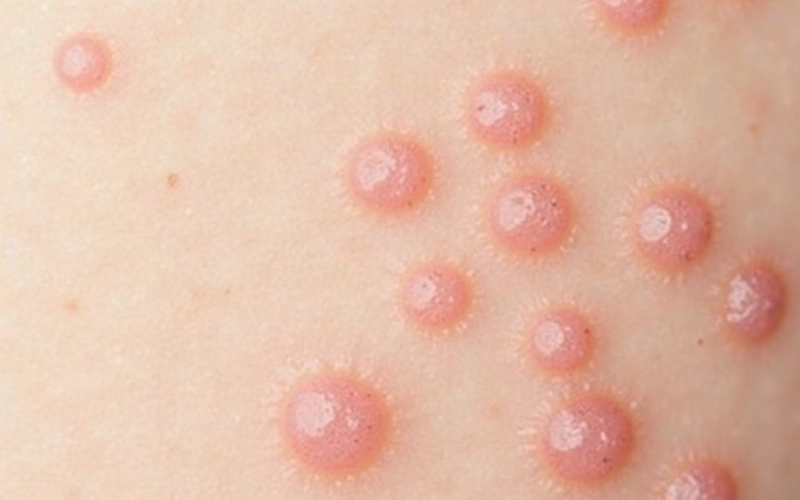
Bungang araw occurs when sweat ducts become blocked, trapping perspiration beneath the skin. This triggers small red bumps, itching, and a prickling sensation, most often on the neck, back, chest, and skin folds.
According to the American Academy of Dermatology, heat rash is most common in hot, humid weather and in people who sweat heavily. Infants and young children are especially vulnerable because their sweat glands are still developing.
Common Triggers
- Prolonged exposure to heat and humidity
- Tight or non-breathable clothing
- Heavy physical activity
- Overheating during sleep, especially with thick blankets
How to Prevent Bungang Araw
Prevention centers on keeping the skin cool, dry, and well-ventilated.
Practical Prevention Tips
- Dress smart: Choose lightweight, loose-fitting cotton clothing that allows air circulation.
- Stay cool: Use fans, air conditioning, and shade during peak heat hours (10 a.m. to 4 p.m.).
- Shower regularly: Rinse off sweat with cool water, then pat the skin dry rather than rubbing.
- Hydrate: Drinking water helps regulate body temperature and supports healthy sweating.
- Avoid heavy creams: Thick lotions and ointments can clog pores during hot weather.
Treating Existing Heat Rash
If bungang araw has already appeared, prompt care can ease symptoms and prevent worsening.
Home Care Steps
- Move to a cool, air-conditioned environment as soon as possible.
- Apply cool compresses to affected areas for relief.
- Use calamine lotion or mild hydrocortisone cream to reduce itching.
- Avoid scratching to prevent secondary infection.
- Let the skin breathe—skip occlusive products until the rash clears.
When to See a Doctor
Consult a healthcare provider if the rash persists beyond a few days, worsens, or shows signs of infection such as pus, swelling, or fever. Infants with widespread heat rash should also be evaluated.
Frequently Asked Questions
1. Is bungang araw contagious?
No. Heat rash is not infectious and cannot be passed from person to person.
2. How long does heat rash last?
With cooling and proper skincare, most cases resolve within a few days.
3. Can babies get bungang araw?
Yes. Infants are highly susceptible due to immature sweat ducts. Keep them cool and dressed lightly.
4. Does powder help?
Light dusting of talc-free powder may absorb moisture, but avoid heavy application that can cake and block pores.
5. Can I exercise with heat rash?
It is best to rest until it clears. If you must exercise, choose cooler times and shower immediately afterward.
6. When should I worry?
Seek medical advice if the rash spreads, blisters, or shows signs of infection.
Conclusion
Bungang araw is a predictable—and preventable—part of summer. By dressing wisely, staying cool, and practicing good skin hygiene, you can minimize your risk and enjoy the season comfortably. If symptoms persist or worsen, do not hesitate to consult a healthcare professional.
Take action today: Keep your wardrobe breathable, your water bottle full, and your skin cool—your summer will thank you.
Sources
- American Academy of Dermatology (AAD) — "How to Treat and Prevent Heat Rash"
- Philippine Department of Health (DOH) — "Summer Diseases" health advisories
- World Health Organization (WHO) — "Heat and Health" fact sheet