Understanding Fungal Infections in Children
Fungal infections are a common concern for parents. They are caused by microscopic organisms that thrive in warm, moist environments—exactly the conditions found in a child’s sneakers or between their toes. While rarely dangerous, these infections can be uncomfortable and highly contagious. Understanding the most common types can help you act quickly and prevent them from spreading through your household.
Ringworm: More Than Just a Worm
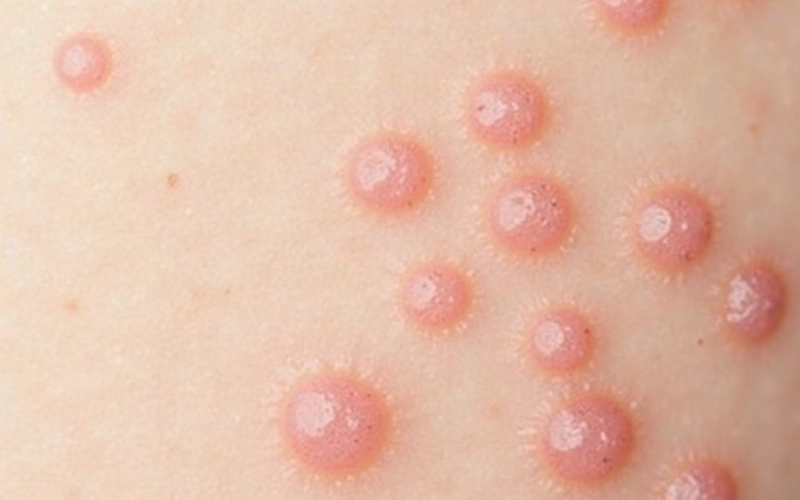
Despite its name, ringworm is not caused by a worm. It is a fungal infection that creates a distinctive, circular, red, and scaly rash. It can appear on the scalp, body, or feet.
Signs and Treatment
Look for a ring-shaped rash with a clear center and a raised, red border. It is often itchy. On the scalp, it may cause patches of hair loss. Treatment typically involves over-the-counter antifungal creams for the body. However, scalp ringworm requires prescription oral medication, as creams cannot penetrate the hair follicles effectively.
Athlete’s Foot: Not Just for Athletes
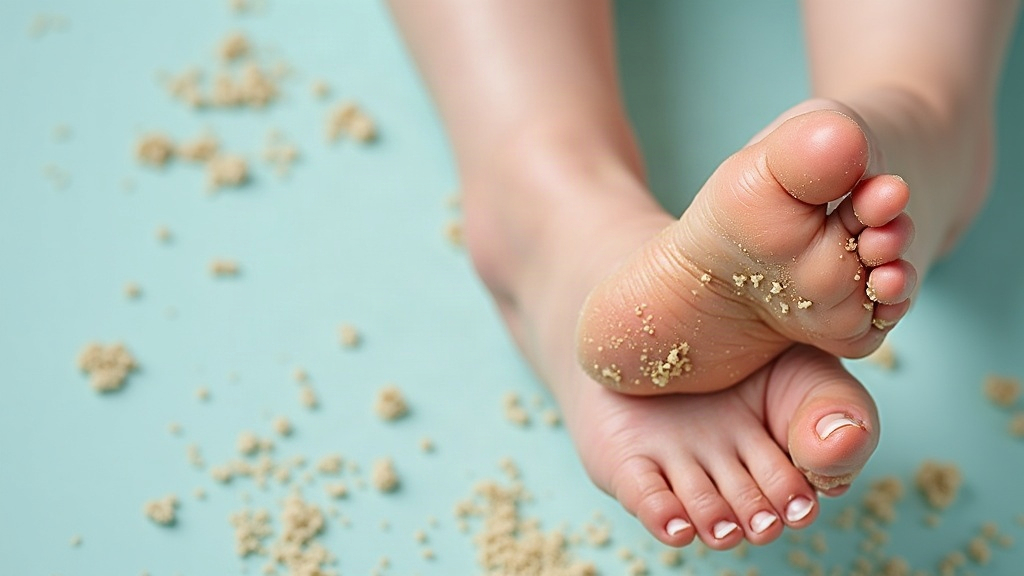
Athlete’s foot is a fungal infection that affects the skin on the feet. It causes itching, burning, and cracked, peeling skin, especially between the toes. Children can get it by walking barefoot in public showers, locker rooms, or pool areas, or by sharing shoes with an infected person.
Prevention and Care
Encourage your child to wear sandals in public pools and locker rooms. Ensure their feet are thoroughly dried after bathing, especially between the toes. Use an antifungal powder or cream as directed. Keep their toenails trimmed and choose breathable, moisture-wicking socks.
Other Common Fungal Infections
Jock Itch
This infection, known medically as tinea cruris, affects the groin area. It causes a red, itchy rash and is more common in older children and teens, particularly those who play sports. It is treated with antifungal creams and good hygiene.
Yeast Infections
While often associated with adults, children can develop yeast infections in the mouth (thrush) or diaper area. Thrush appears as white patches in the mouth, while diaper rash from yeast is a red, raised rash with satellite spots. These require specific antifungal treatments.
When to See a Doctor
Most fungal infections can be managed with over-the-counter treatments. However, you should consult a pediatrician if:
Frequently Asked Questions
Are fungal infections contagious?
Yes, most fungal infections are highly contagious. They can spread through direct skin-to-skin contact or by touching contaminated surfaces, clothing, or towels.
Can I prevent my child from getting a fungal infection?
Good hygiene is key. Encourage regular handwashing, keep skin clean and dry, avoid sharing personal items, and wear protective footwear in public areas.
Is ringworm dangerous?
No, ringworm is not dangerous. It is a common and treatable skin condition. However, it can be uncomfortable and should be treated to prevent spreading.
How long does it take for a fungal infection to clear up?
With proper treatment, most infections improve within one to two weeks. Scalp infections may take several weeks to resolve.
Can my child go to school with ringworm?
Yes, once treatment has started, your child can usually return to school. Cover the affected area to prevent spreading the infection to others.
Conclusion
Fungal infections in children are common, but they are also manageable. By recognizing the signs of ringworm, athlete’s foot, and other conditions, you can seek prompt treatment and prevent them from spreading. Remember, good hygiene and a little vigilance go a long way in keeping your child’s skin healthy. If you have any concerns, always consult your pediatrician for personalized advice.
Sources
- American Academy of Pediatrics — Fungal Infections in Children
- Centers for Disease Control and Prevention — Ringworm and Fungal Skin Infections
- World Health Organization — Skin Infections and Neglected Tropical Diseases