Introduction: When the Heat Complicates the Safest Choice
Every parent wants to do one thing above all else: keep their baby safe through the night. For families living in tropical climates, that instinct runs into an uncomfortable reality. Temperatures hover above 30°C, humidity clings to the skin, and well-meaning relatives insist that a baby needs extra layers “so they don’t catch a chill.”
The result is a dangerous contradiction. Many parents, worried about overheating, loosen or abandon the very practices that protect against Sudden Infant Death Syndrome (SIDS). Others over-bundle their infants based on advice designed for cold climates.
The good news is that safe sleep guidance and tropical living are entirely compatible. This article explains what SIDS is, why heat matters, and how to apply evidence-based safe sleep practices in a warm, humid environment—without making your baby miserable or losing sleep yourself.
Understanding SIDS and Why Sleep Environment Matters
What Is SIDS?
Sudden Infant Death Syndrome refers to the unexplained death of an infant under one year of age, typically during sleep, that remains unexplained after a thorough investigation. It falls under the broader category of Sudden Unexpected Infant Death (SUID), which also includes accidental suffocation and strangulation in bed.
SIDS is rare, but it is not random. Decades of research have identified consistent risk factors—and, crucially, protective factors that parents can control.
The Key Risk Factors You Can Influence
According to the American Academy of Pediatrics (AAP) and the CDC, the most significant modifiable risk factors include:
Notice that overheating appears on that list. In a tropical climate, this is the factor parents most often underestimate.
Why Overheating Is a Special Concern in the Tropics
The Physiology of Infant Temperature Regulation
Infants cannot regulate their body temperature as efficiently as adults. They have a larger surface-area-to-body-mass ratio, immature sweating responses, and limited ability to move away from a heat source or kick off a blanket.
When an infant overheats, their breathing patterns and arousal responses can be affected—mechanisms that researchers believe are involved in SIDS. This makes thermal stress a genuine concern, not just a comfort issue.
Signs Your Baby Is Too Warm
Watch for these indicators:
A useful rule of thumb: if you feel comfortable in light clothing, your baby probably does too. If you are sweating, your baby almost certainly is.
Evidence-Based Safe Sleep Practices for Hot, Humid Climates
1. Always Place Your Baby on Their Back
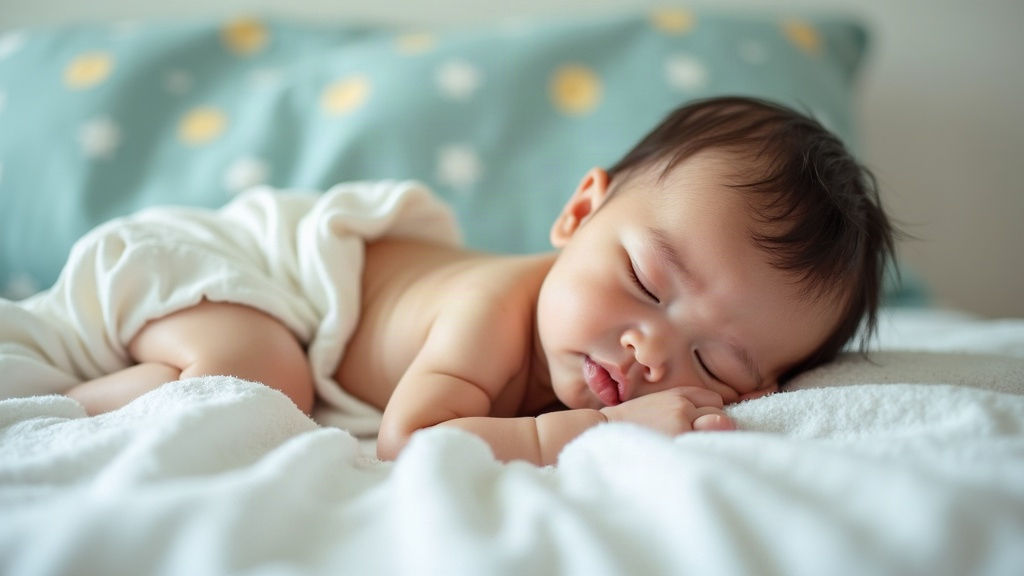
This recommendation does not change with the weather. Back sleeping is the single most effective way to reduce SIDS risk, and it should be maintained for every nap and every night until the baby is at least one year old.
2. Keep the Sleep Surface Firm and Bare
Use a firm mattress with a fitted sheet only. Remove:
In tropical homes, parents sometimes add pillows or rolled towels to “prop up” a baby for airflow. This is unsafe. A firm, flat surface with nothing extra is the goal.
3. Dress Your Baby in Lightweight, Breathable Layers
Choose:
A sleeveless or short-sleeved sleep sack in a light tog rating (0.5 tog or lower) is ideal for tropical nights. It keeps the baby covered without the suffocation risk of a loose blanket.
4. Control Room Temperature and Airflow
Aim for a room temperature that keeps your baby comfortable in light clothing—generally somewhere between 20°C and 24°C is often cited, but in the tropics the practical target is simply “not hot to the touch.” Use:
Research has suggested that fan use may be associated with reduced SIDS risk in certain circumstances, though the evidence is not definitive. Airflow is helpful; a cold draft is not.
5. Room Share Without Bed Sharing
The AAP recommends that infants sleep in the same room as parents—on a separate surface designed for infants—ideally for the first six months and up to one year. This arrangement reduces SIDS risk and makes night feeding easier.
In many tropical households, bed sharing is common and sometimes unavoidable due to space constraints. If bed sharing occurs, the AAP advises that the sleep surface be firm, that parents avoid pillows and heavy bedding, and that no one in the bed smokes, drinks alcohol, or takes sedating medication.
6. Breastfeed Where Possible
Breastfeeding is associated with a reduced risk of SIDS. The World Health Organization recommends exclusive breastfeeding for the first six months. In hot climates, breastfeeding also supports hydration and immune protection.
7. Avoid Smoke Exposure
Keep the baby’s environment entirely smoke-free. This includes cigarettes, mosquito coils, incense, and cooking smoke—all common in tropical settings and all potential respiratory irritants.
8. Offer a Pacifier at Sleep Time
Pacifier use at the onset of sleep has been associated with reduced SIDS risk. If breastfeeding, wait until feeding is well established—usually around three to four weeks—before introducing one.
Practical Tips for Tropical Households
Conclusion: Safe Sleep Works Everywhere
Protecting your infant from SIDS in a tropical climate does not require expensive equipment or a perfectly air-conditioned nursery. It requires consistency: back sleeping, a firm and bare sleep surface, light clothing, good airflow, and a smoke-free home.
Heat is a genuine risk factor, but it is a manageable one. By understanding how temperature, bedding, and sleep position interact, parents in warm climates can make confident, evidence-based choices—and rest a little easier themselves.
If you have specific concerns about your baby’s sleep environment or health, speak with your pediatrician or a qualified healthcare provider.
Frequently Asked Questions
Can my baby sleep with just a diaper in hot weather?
Yes. In very hot conditions, a diaper alone or a thin cotton bodysuit is perfectly safe and often preferable to over-dressing. The key is to keep the sleep surface bare and the baby comfortably cool, not cold.
Is it safe to use a fan in my baby’s room?
Yes, a fan can help circulate air and reduce overheating risk. Direct it toward a wall or across the room rather than at your baby, and avoid creating a cold draft. Some studies suggest fan use may be associated with lower SIDS risk, though the evidence is not conclusive.
Does swaddling help in a tropical climate?
Swaddling can soothe young infants, but it must be done safely: use a thin, breathable muslin cloth, avoid overheating, and stop swaddling once your baby shows signs of rolling over—usually around three to four months—because swaddled rolling infants face increased risk.
What room temperature is safest for my baby?
There is no single perfect number, but a room that feels comfortable to a lightly dressed adult is generally appropriate. In tropical settings, aim for the coolest practical temperature and check your baby’s chest or the back of their neck to confirm they are not overheated.
Can I use a mosquito net over the crib?
A well-fitted net that does not restrict airflow is generally acceptable, but it must never drape loosely into the sleep space or create a suffocation hazard. Screened windows and safe repellents are often better options in tropical homes.
When can my baby sleep with a blanket or pillow?
The AAP recommends keeping pillows, blankets, and other soft bedding out of the sleep environment until at least 12 months of age. After that, transition gradually based on your pediatrician’s guidance.
Sources
- American Academy of Pediatrics — "Sleep-Related Infant Deaths: Updated 2022 Recommendations for Reducing Infant Deaths in the Sleep Environment" (Task Force on Sudden Infant Death Syndrome), Pediatrics
- Centers for Disease Control and Prevention — "Sudden Infant Death Syndrome (SIDS) and Sudden Unexpected Infant Death (SUID): Reducing the Risk"
- World Health Organization — "Infant and young child feeding" (breastfeeding and SIDS risk reduction context)