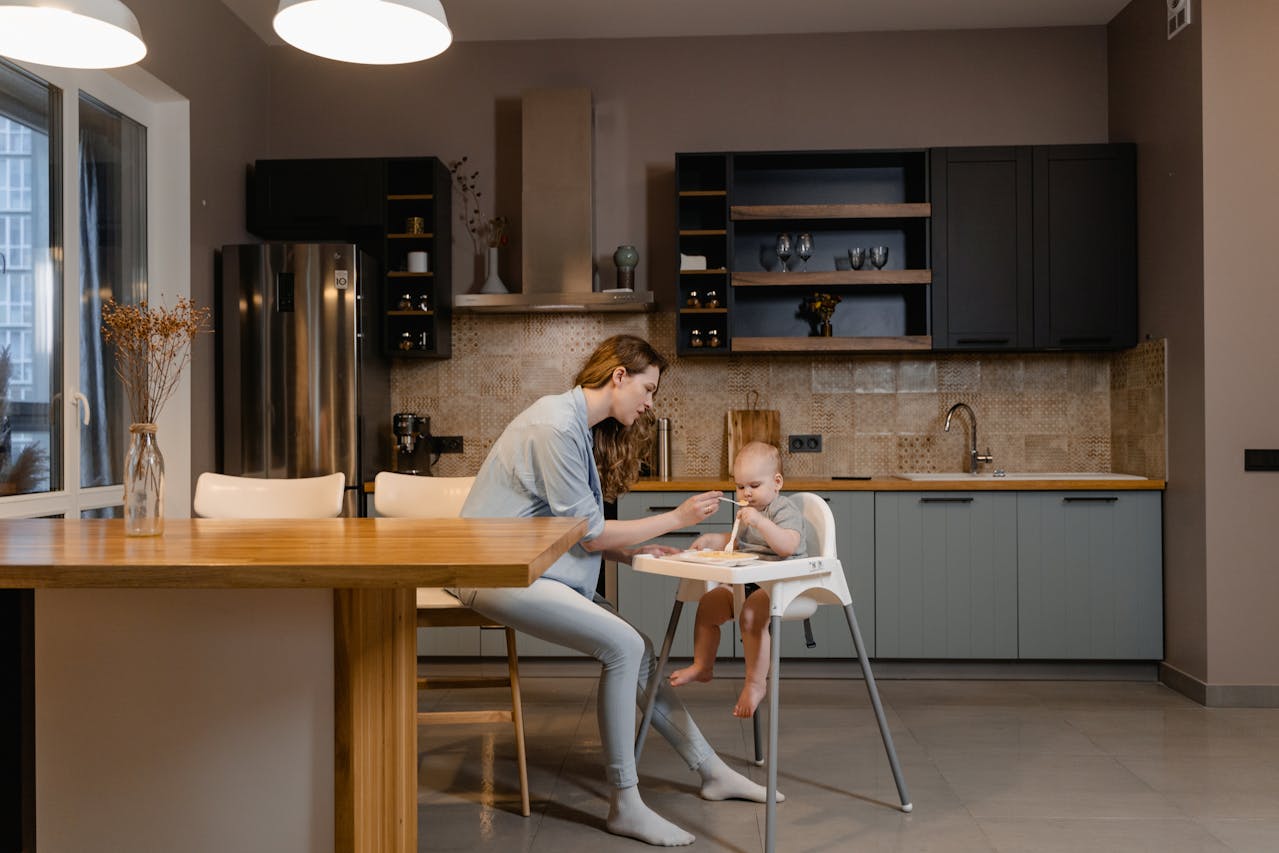
The “Picky Eater” Phase: How to Introduce Healthy Options to Bacolod Kids
If your toddler turns up their nose at anything green or insists on eating only chicken inasal and rice, you are not alone. In Bacolod, where food culture is rich and family meals are central to daily life, a child’s sudden refusal of vegetables can feel frustrating—and even worrying. The good news? Picky eating is a normal developmental phase, and with the right approach, you can guide your child toward healthier choices without turning mealtimes into a battleground.
Why Kids Become Picky Eaters
Between ages two and five, children often develop food neophobia—a natural fear of unfamiliar foods. Their growth also slows during this period, meaning they genuinely need less food than parents expect. Add sensory sensitivities to textures, colors, and smells, and you have a recipe for mealtime resistance.
In Bacolod households, where sweet, savory, and fried favorites like lumpia and grilled meats dominate the table, healthy options can easily feel like an afterthought. Understanding the “why” helps parents respond with patience rather than pressure.
Practical Strategies for Bacolod Parents
1. Offer Familiar Local Produce
Instead of introducing exotic vegetables, start with what’s abundant in Bacolod markets: kangkong, malunggay, squash, and camote tops. These are affordable, fresh, and easy to incorporate into soups like tinola or sinigang. Familiar flavors make new textures less intimidating.
2. Apply the “One Bite” Rule
Ask your child to take just one bite—no forcing, no bribing. Repeated exposure (sometimes ten to fifteen times) gradually normalizes a food. Serve small portions alongside dishes they already enjoy.
3. Make Meals Interactive
Let kids wash vegetables, tear malunggay leaves, or arrange fruit slices on a plate. Children are far more likely to eat food they helped prepare. This also creates bonding moments that strengthen positive food associations.
4. Keep the Environment Calm
Avoid screens during meals and keep your own reactions neutral. Pressure, nagging, or rewards like candy can backfire, teaching kids that vegetables are a punishment and sweets are a prize.
5. Be a Role Model
Children imitate what they see. When the whole family enjoys a balanced plate of rice, fish, vegetables, and fruit, your child learns that healthy eating is normal—not a special rule just for them.
When to Seek Professional Advice
If your child is losing weight, avoiding entire food groups, or showing signs of nutritional deficiency, consult a pediatrician or nutritionist. In Bacolod, health centers and private clinics can offer guidance tailored to your child’s needs.
Conclusion
The picky eater phase is temporary, but the eating habits you build now can last a lifetime. By offering local, nutritious foods patiently and consistently—without pressure—you can raise a child who enjoys kangkong, squash, and fresh fruit as much as their favorite Bacolod dishes. Start small, stay consistent, and celebrate every tiny victory at the table.
Frequently Asked Questions
How long does the picky eating phase usually last?
Most children outgrow extreme pickiness between ages five and seven, though milder preferences may continue. Consistent exposure to healthy foods speeds up the process.
Should I force my child to finish their vegetables?
No. Forcing creates negative associations and can worsen picky eating. Offer small portions and encourage one bite without pressure.
What healthy Bacolod foods are best for picky toddlers?
Soft, mild options work well: squash soup, mashed camote, malunggay in tinola, and ripe mango or banana slices.
Can I hide vegetables in my child’s food?
Occasionally, yes—but don’t rely on it alone. Hiding vegetables doesn’t teach children to accept them. Pair hiding with visible exposure.
When should I worry about my child’s eating habits?
Consult a doctor if your child loses weight, refuses all foods from a food group, or shows fatigue, pale skin, or slow growth.
How can I make mealtimes less stressful?
Keep a routine, eat together without screens, offer variety without pressure, and model healthy eating yourself.